
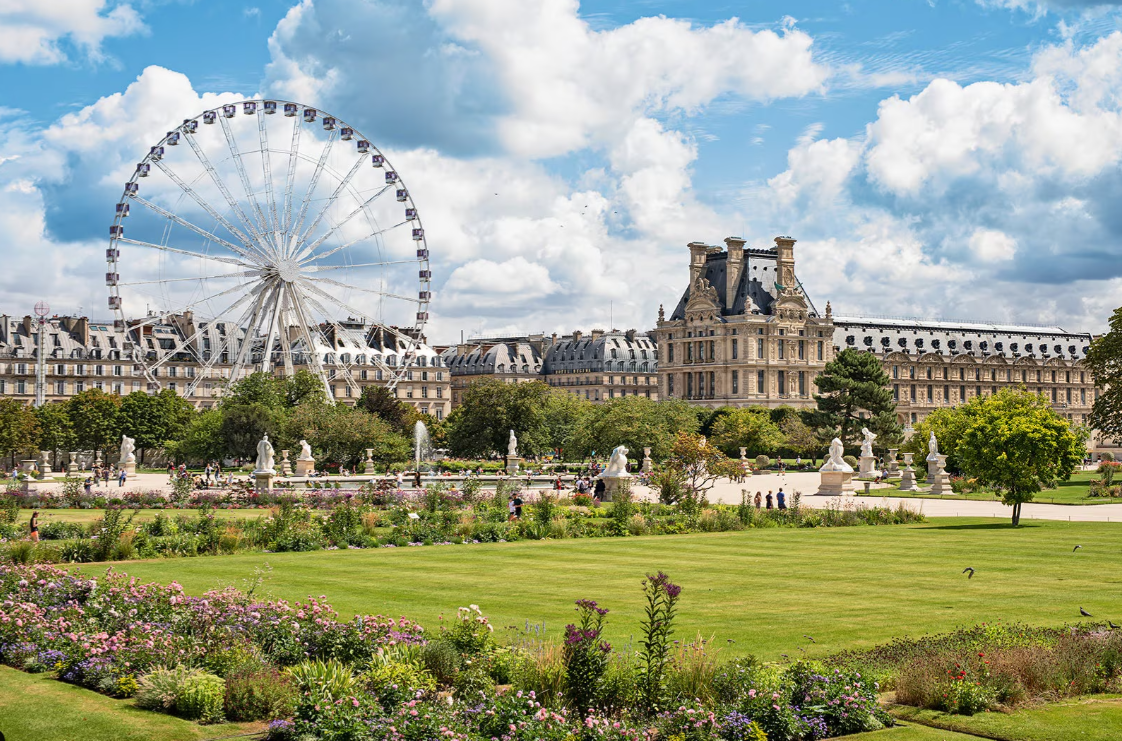
Traveling to Europe does not have to be an expensive experience. While the continent is home to some of the world’s most luxurious destinations, there are also many affordable cities where visitors can experience rich culture, history, and stunning landscapes without breaking the bank. By selecting budget-friendly destinations and following strategic money-saving tips, travelers can explore Europe while keeping expenses in check. From Eastern European gems to lesser-known Western European cities, it is possible to find affordable accommodations, inexpensive meals, and free attractions. A well-planned budget trip to Europe can be just as enjoyable and fulfilling as a high-end luxury vacation.
Choosing Affordable Destinations
Some of Europe’s best travel experiences come from cities that are often overlooked by tourists. Countries in Eastern and Central Europe generally offer lower prices on accommodation, food, and transportation compared to more expensive destinations like Paris or London. Cities such as Budapest, Kraków, and Prague provide stunning architecture, rich history, and a lively cultural scene at a fraction of the cost of Western European capitals. Smaller towns and secondary cities also offer affordable travel experiences, where visitors can enjoy authentic cuisine and local traditions without the high tourist markups found in major metropolitan centers. Opting for destinations with lower costs can significantly extend a travel budget while still offering memorable experiences.

Budget-Friendly Cities in Europe
Several cities across Europe provide excellent travel experiences without the high price tag. Budapest, Hungary, is known for its thermal baths, historic architecture, and vibrant nightlife, all at a fraction of the cost of Western European destinations. Kraków, Poland, offers medieval charm, fascinating history, and some of the cheapest food and accommodations in Europe. Prague, Czech Republic, boasts fairy-tale architecture and affordable entertainment options. Lisbon, Portugal, combines coastal beauty, colorful neighborhoods, and reasonably priced dining experiences. Other affordable destinations include Belgrade in Serbia, Sofia in Bulgaria, and Valencia in Spain. These cities provide an incredible cultural experience without straining the budget.

Transportation on a Budget
Getting around Europe affordably is possible with careful planning. Budget airlines such as Ryanair and easyJet offer cheap flights between major cities, but travelers should be aware of additional fees for baggage and seat selection. Trains can be a scenic and cost-effective way to travel, especially with rail passes such as the Eurail Pass or Interrail Pass. For even cheaper travel, buses such as FlixBus and BlaBlaCar provide affordable long-distance routes across the continent. In cities, public transportation is generally much cheaper than taxis or rideshare services. Walking or renting bicycles is another great way to save money while exploring cities up close. Choosing the right transportation method based on distance, cost, and convenience helps reduce travel expenses significantly.

Budget Accommodations
Affordable accommodations in Europe range from budget hotels and hostels to vacation rentals and guesthouses. Hostels are an excellent option for solo travelers or groups looking for shared accommodations at a low cost. Many hostels also offer private rooms at a fraction of the price of traditional hotels. Budget-friendly hotels and guesthouses provide comfortable stays without the high price tag, especially when booked in advance. Airbnb and similar rental services often provide better value than hotels, particularly for longer stays. Couchsurfing is another option for travelers looking to save on accommodation while meeting locals. Booking accommodations outside of city centers can also help reduce costs while still allowing for easy access to attractions through public transport.

Affordable Food and Dining
Eating well on a budget in Europe is possible by seeking out local markets, street food, and affordable eateries. Many cities have food markets where fresh and affordable meals can be found, such as the Mercado da Ribeira in Lisbon or the Great Market Hall in Budapest. Street food is another inexpensive option, with dishes such as kebabs, crepes, and falafel available for low prices. In many cities, bakeries and sandwich shops offer budget-friendly meals for breakfast and lunch. Eating at casual restaurants away from tourist areas helps to avoid high prices. Many local eateries offer lunch specials or set menus at discounted prices. Grocery stores provide another way to save money by purchasing ready-made meals, snacks, and drinks instead of dining out for every meal.

Free and Low-Cost Attractions
Many of Europe’s best attractions are free or have low entrance fees, making it possible to explore famous landmarks without spending much. Public squares, historic churches, and scenic parks offer beautiful sights without an admission cost. Many museums and galleries have free entry days or discounted tickets for students and seniors. Walking tours, often available for free or at a low cost, provide an excellent way to learn about a city’s history and culture. Many cities also offer free outdoor festivals, concerts, and events throughout the year. Exploring local neighborhoods, riversides, and historic districts can be just as rewarding as visiting paid attractions, offering unique insights into European culture and everyday life.

Traveling During Off-Peak Seasons
Visiting Europe during the off-peak travel season is one of the best ways to save money. The high season, typically from June to August, sees increased prices for flights, accommodations, and attractions. Traveling in the shoulder seasons, such as spring and autumn, offers more affordable options while still providing pleasant weather. Winter, outside of the holiday season, is the cheapest time to visit many European cities, with lower prices on flights and hotels. Attractions are less crowded, and travelers can experience a more relaxed atmosphere. Choosing the right time to visit can make a significant difference in the overall cost of the trip.

Budget Travel Apps and Resources
Using budget travel apps and resources can help maximize savings while exploring Europe. Apps like Skyscanner and Google Flights make it easy to find cheap flights, while Rome2Rio helps compare different transportation options. Hostelworld and Booking.com provide affordable accommodation options, and Couchsurfing connects travelers with hosts offering free stays. Public transportation apps such as Moovit and Citymapper help navigate city transit systems efficiently. Dining apps like TheFork offer discounts at restaurants, while local deal websites provide discounts on attractions and activities. Leveraging these resources ensures a cost-effective and well-organized trip.
Managing Money and Avoiding Unnecessary Costs
Effective budgeting and smart money management help travelers get the most out of their European adventures without overspending. Using travel-friendly credit cards with no foreign transaction fees can save money on purchases. Withdrawing cash from ATMs in reasonable amounts, rather than exchanging money at expensive currency exchange booths, helps avoid high fees. Setting a daily budget for accommodations, food, and activities keeps spending under control. Many European cities accept contactless payments, making it easy to track expenses. Avoiding tourist traps, overpriced souvenirs, and unnecessary extra charges ensures that every euro is spent wisely.

Залишити відповідь