
Europe is a treasure trove for history lovers, offering centuries of fascinating events, iconic landmarks, and well-preserved cultural heritage. From the grand empires of Rome and Byzantium to the medieval castles of Central Europe and the intellectual movements of the Renaissance, the continent is brimming with historical wonders. Each city tells a unique story, whether through its preserved architecture, museums, or cultural traditions. Traveling through Europe offers an immersive experience where history is not just something to be read about but seen and felt in every street, building, and monument. This guide explores some of the most captivating cities for those who seek to step back in time and walk through the pages of history.
Rome: The Eternal City and the Heart of an Empire
Few places on Earth can rival the historical grandeur of Rome. As the capital of the ancient Roman Empire, this city has witnessed the rise and fall of one of the most powerful civilizations in history. The Colosseum, an architectural marvel of the first century, once hosted gladiatorial battles and remains one of the most visited landmarks in the world. The Roman Forum, a vast complex of ruins, tells the story of Rome’s political and social life in antiquity. Visitors can also explore the Pantheon, a well-preserved temple dedicated to the gods, and the grand Vatican City, where St. Peter’s Basilica and the Sistine Chapel showcase masterpieces of Renaissance art. Rome’s layered history, spanning thousands of years, ensures that every corner of the city offers a glimpse into a different era.

Athens: The Cradle of Democracy and Philosophy
Athens is synonymous with the birth of democracy, philosophy, and classical civilization. The Acropolis, an ancient citadel perched high above the city, houses the Parthenon, a temple dedicated to Athena, the city’s patron goddess. Walking through the ancient Agora, where Socrates and Plato once engaged in philosophical debates, brings history to life. The National Archaeological Museum contains an astonishing collection of artifacts from Greece’s ancient past, including sculptures, pottery, and jewelry. Athens’ history extends beyond antiquity, with Byzantine churches, Ottoman-era mosques, and neoclassical buildings reflecting its diverse influences. This city remains a living testament to the intellectual and artistic achievements of the ancient world.

Paris: The City of Revolutions and Renaissance
Paris, known for its romantic ambiance and artistic legacy, is also a city of profound historical significance. The French Revolution, which reshaped the course of European history, unfolded in its streets, leaving behind landmarks such as the Place de la Concorde and the Conciergerie, where Marie Antoinette was imprisoned. The Louvre, originally a medieval fortress, now holds some of the world’s most treasured artworks, including the Mona Lisa and the Venus de Milo. Notre-Dame Cathedral, despite suffering damage in recent years, remains an architectural masterpiece of the Gothic era. The Palace of Versailles, just outside the city, offers insight into the opulent reign of Louis XIV. Paris continues to be a symbol of cultural and intellectual revolution, with its streets lined with cafes where writers, philosophers, and artists have gathered for centuries.

Istanbul: A Crossroads of Empires
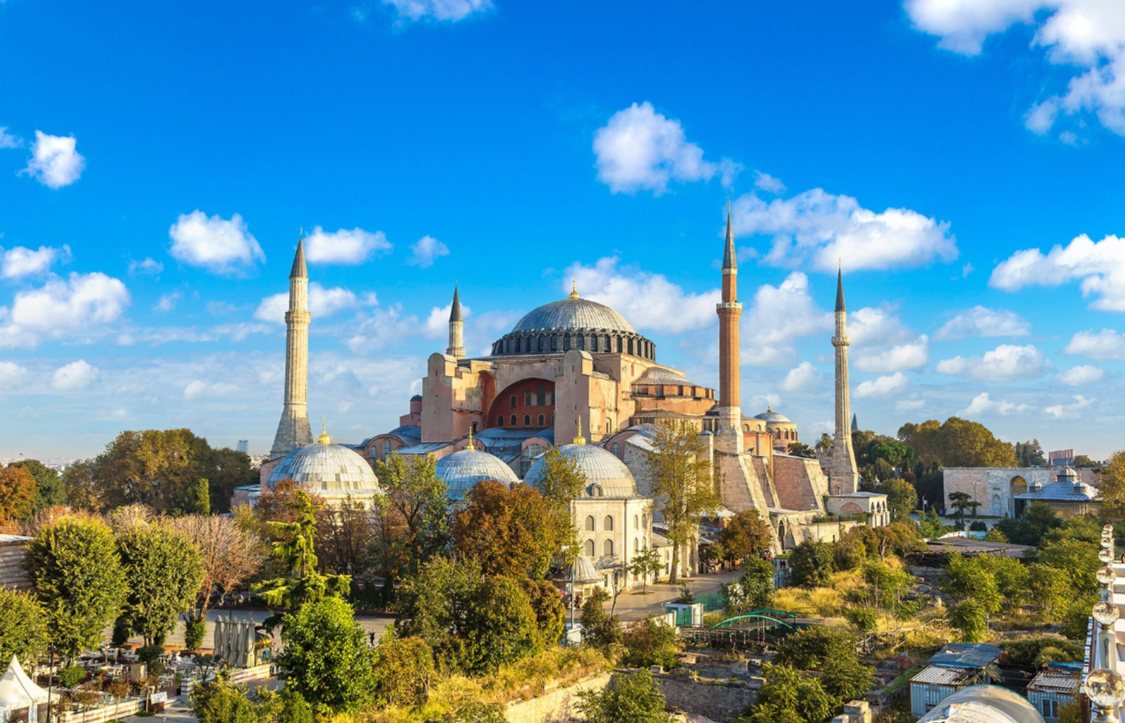
Istanbul stands at the crossroads of Europe and Asia, a city that has served as the capital of multiple empires, including the Roman, Byzantine, and Ottoman. The Hagia Sophia, originally a Byzantine church, later an Ottoman mosque, and now a museum, embodies this city’s layered history. The Topkapi Palace, once the residence of Ottoman sultans, reveals the splendor of the empire through its lavish chambers and courtyards. The Blue Mosque, with its stunning domes and minarets, remains a testament to Istanbul’s Islamic heritage. A walk through the Grand Bazaar, one of the world’s oldest covered markets, feels like stepping into a scene from centuries past. The Bosphorus, which divides the city, has been a crucial trade and military route for millennia, further cementing Istanbul’s place in history.

Vienna: The Imperial City of Music and Power
Vienna, once the capital of the Austro-Hungarian Empire, is a city of imperial grandeur. The Habsburg dynasty left behind magnificent palaces such as Schönbrunn and the Hofburg, where visitors can explore the opulent lives of emperors and empresses, including the legendary Empress Sisi. Vienna’s historic coffee houses have hosted some of history’s greatest minds, including Freud, Mozart, and Beethoven. The city’s grand architecture, from the Gothic St. Stephen’s Cathedral to the Baroque Belvedere Palace, reflects its centuries-long influence in European affairs. Vienna remains a living museum, where every building and boulevard tells a story of aristocracy, culture, and power.

Prague: A Fairytale City of Medieval Splendor
Prague is a city that transports visitors to the medieval past with its enchanting architecture and cobblestone streets. The Prague Castle complex, the largest of its kind in the world, houses the impressive St. Vitus Cathedral and the historic Golden Lane. The Charles Bridge, adorned with statues of saints, offers breathtaking views of the city. The Old Town Square, with its Astronomical Clock, remains one of Europe’s most picturesque historical sites. Prague has witnessed the rise of the Holy Roman Empire, the Bohemian Reformation, and the Velvet Revolution, each leaving its mark on the city. Its well-preserved medieval charm makes it a haven for history enthusiasts.

Berlin: A City of War, Division, and Reunification
Berlin’s history is one of turmoil and transformation, making it one of the most fascinating destinations for history lovers. The remnants of the Berlin Wall serve as a powerful reminder of the Cold War era, while the Brandenburg Gate symbolizes Germany’s reunification. The Reichstag, with its glass dome, reflects both past and present, as it has been at the center of German politics for over a century. The Holocaust Memorial and the Topography of Terror Museum provide sobering insights into the city’s darker chapters. Berlin’s rich history extends beyond war, with its museums, palaces, and historic districts offering glimpses into its Prussian and Imperial past. The city’s resilience and dynamic evolution make it a compelling place to explore.

London: A Timeless Capital of Kings and Conquerors
London’s history spans thousands of years, from Roman times to the present day. The Tower of London, once a royal palace and prison, holds centuries of secrets, including the stories of Anne Boleyn and the Crown Jewels. Westminster Abbey has been the site of royal coronations since William the Conqueror. Buckingham Palace, St. Paul’s Cathedral, and the Houses of Parliament all stand as symbols of Britain’s monarchy and governance. The British Museum houses some of the world’s most significant artifacts, including the Rosetta Stone and the Elgin Marbles. London’s layers of history, combined with its modern vibrancy, create an endless journey through time.


Залишити відповідь