
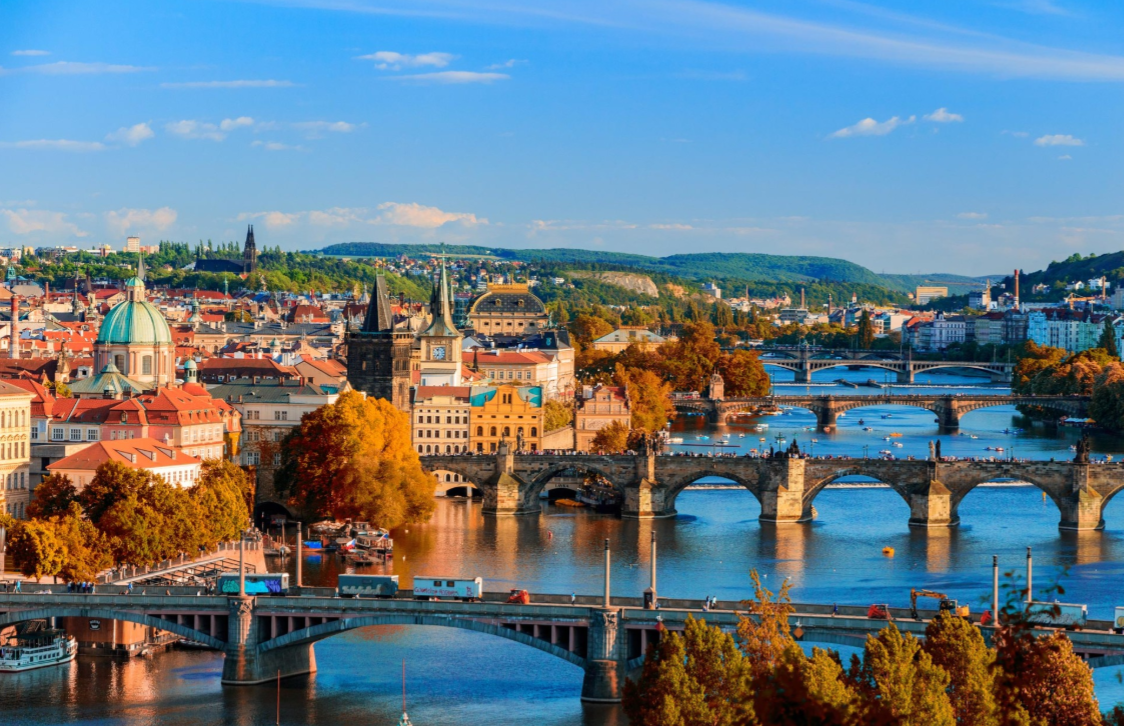
Spending a month in Europe is a dream for many travelers, offering the opportunity to explore diverse cultures, landscapes, and historical landmarks. With so many incredible cities to choose from, planning an itinerary that allows for both sightseeing and relaxation is essential. A well-structured trip can include major capital cities, charming small towns, and a mix of well-known tourist hotspots and hidden gems. Whether traveling by train, budget airline, or road trip, Europe’s efficient transportation network makes multi-city travel seamless. Choosing the right balance of destinations, travel methods, and accommodations can turn a month-long European adventure into a life-changing experience.

Planning Your Route
One of the most important aspects of visiting multiple European cities in one trip is deciding on a logical route. The continent’s diverse geography and transportation options make it possible to explore different regions efficiently. Many travelers opt for either a Western European route that includes France, Spain, and Italy, or a Central and Eastern European journey that covers Germany, Austria, and the Czech Republic. Another popular option is a Northern European route featuring the Netherlands, Scandinavia, and the Baltics. The key to an enjoyable multi-city trip is avoiding over-scheduling and allowing time to fully experience each destination. A balanced itinerary will include a mix of larger capital cities and smaller towns to provide a more authentic European experience. Taking into account travel times between cities is also crucial to maximizing time spent exploring rather than commuting.
Choosing the Best Cities
Deciding which cities to visit during a month in Europe depends on personal interests, travel goals, and logistical considerations. Some of the best cities for first-time visitors include Paris, Rome, and London, which provide an excellent introduction to European history and culture. Travelers seeking a more relaxed experience may opt for smaller towns such as Bruges, Salzburg, or Porto, which offer a slower pace and stunning scenery. A month-long trip also allows for exploring different regions, from the Mediterranean coasts of Spain and Italy to the picturesque countryside of Switzerland and the cultural hubs of Berlin and Amsterdam. Including a variety of destinations ensures a rich and well-rounded travel experience.

Transportation Options
Europe’s extensive transportation network makes it easy to travel between cities efficiently. High-speed trains connect major capitals, providing a comfortable and scenic way to move between destinations. The Eurail pass is a great option for travelers planning to visit multiple countries by train, offering flexibility and convenience. Budget airlines such as Ryanair and easyJet provide affordable options for longer distances, allowing travelers to reach destinations that may be too far for train travel. Buses are another economical option, particularly for routes between smaller cities or towns. Renting a car is ideal for exploring rural areas, scenic coastal routes, and destinations not well connected by public transport. Choosing the right mode of transport for each leg of the journey ensures a smooth and enjoyable experience.

Budgeting for a Month-Long Trip
Traveling through multiple European cities in a month requires careful budgeting to make the most of the experience without overspending. Accommodations can range from budget-friendly hostels and Airbnb rentals to luxury hotels, depending on personal preferences and financial constraints. Many cities offer city passes that provide discounts on public transport and major attractions, helping to reduce costs. Food expenses can also be managed by dining at local markets, street vendors, and casual eateries rather than expensive tourist restaurants. Traveling during the off-season, typically in spring or fall, allows for lower prices on flights, accommodations, and attractions. With smart budgeting strategies, a month-long European trip can be both affordable and unforgettable.
Where to Stay
Choosing the right type of accommodation in each city depends on budget, comfort, and location preferences. Hostels are an excellent option for budget-conscious travelers and provide opportunities to meet fellow travelers. Airbnb rentals allow for a more local experience and are ideal for longer stays in one city. Boutique hotels and guesthouses offer unique stays that blend comfort with cultural authenticity. Staying in central locations within walking distance of major attractions helps save time and money on transportation. For those looking to splurge, historic hotels, converted castles, and luxury resorts offer memorable stays in some of Europe’s most beautiful settings. Booking accommodations in advance ensures the best availability and prices, especially during peak travel seasons.

Must-See Attractions and Experiences
A month in Europe allows travelers to experience an incredible variety of landmarks and cultural experiences. In Paris, visiting the Eiffel Tower, Louvre Museum, and Notre Dame Cathedral provides a taste of the city’s elegance and artistic heritage. Rome offers ancient wonders such as the Colosseum, Vatican City, and the Pantheon. In London, Buckingham Palace, the Tower of London, and the British Museum showcase the city’s royal and historical legacy. Beyond the major capitals, unique experiences such as taking a gondola ride in Venice, hiking in the Swiss Alps, and exploring the fairytale-like streets of Prague add diversity to the journey. Each city has its own charm and must-see attractions that make the trip unforgettable.

Experiencing Local Culture
Beyond the iconic sights, immersing in local culture enhances the travel experience. Each country in Europe has distinct traditions, festivals, and culinary specialties that provide deeper insight into local life. In Spain, watching a flamenco performance or enjoying a late-night tapas dinner introduces travelers to the country’s vibrant social culture. In Italy, taking a cooking class to learn how to make pasta or pizza is a memorable way to engage with local traditions. France offers wine tastings in Bordeaux and cheese sampling in the countryside. Germany’s beer gardens provide a relaxed atmosphere to socialize with locals, while visiting a traditional sauna in Finland offers a unique cultural experience. Engaging with locals, trying regional cuisine, and participating in local traditions enrich the journey.

Packing for a Month-Long Trip
Packing efficiently for a month in Europe requires careful planning to ensure comfort and convenience. A mix of versatile clothing suitable for different weather conditions is essential, especially if traveling across multiple regions with varying climates. A good pair of walking shoes is crucial, as European cities are best explored on foot. Packing light allows for easier mobility between destinations, particularly when using trains or budget airlines with luggage restrictions. Essential travel items include a universal adapter, travel-sized toiletries, and a reusable water bottle. Having digital copies of important documents, such as passports and travel insurance, ensures preparedness for any unexpected situations. A well-thought-out packing strategy contributes to a smooth and enjoyable journey.
Making the Most of the Experience
A month in Europe is an incredible opportunity to explore diverse cultures, historic landmarks, and breathtaking landscapes. Taking time to balance sightseeing with relaxation ensures a fulfilling travel experience. Allowing for spontaneous detours and unplanned discoveries often leads to some of the most memorable moments. Engaging with locals, trying new foods, and stepping outside of comfort zones add to the richness of the journey. Keeping a travel journal or taking photos helps preserve memories of the trip for years to come. By embracing the adventure with an open mind and flexible itinerary, travelers can make the most of their month in Europe and return with unforgettable experiences and stories to share.


Залишити відповідь