
Europe’s cities are a living testament to the evolution of architecture, from medieval strongholds and Renaissance masterpieces to sleek modern skyscrapers. Each city tells its own architectural story, shaped by centuries of history, cultural influences, and artistic innovation. Whether it’s the Gothic cathedrals of France, the Baroque palaces of Austria, or the futuristic skyline of London, European architecture is as diverse as the people who have built and lived within it. Exploring the continent through its urban landscapes provides an unparalleled opportunity to witness the creativity and craftsmanship of different eras. From cobblestone streets to glass towers, Europe’s architectural heritage is a fascinating journey through time.
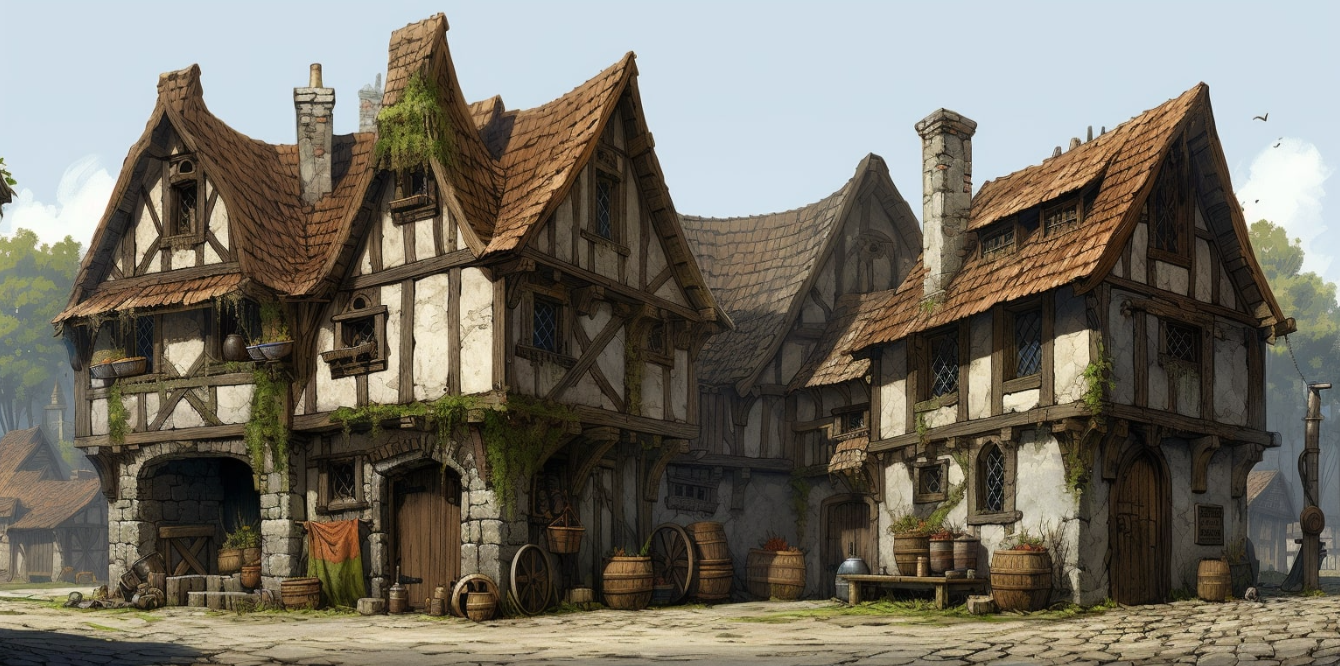
The Medieval Charm of Bruges and Tallinn
Bruges, often called the “Venice of the North,” is one of Europe’s best-preserved medieval cities. Its fairy-tale canals, Gothic churches, and historic market squares make it an architectural treasure trove. The Belfry of Bruges, a towering structure dating back to the 13th century, dominates the skyline and offers breathtaking views of the city. The Markt, surrounded by colorful medieval guild houses, remains the heart of Bruges’ historical and commercial life. Walking through Bruges feels like stepping back in time, where each street and building tells a story of the city’s prosperous past.
Tallinn, the capital of Estonia, is another medieval gem, with its UNESCO-listed Old Town featuring fortified walls, narrow alleyways, and medieval merchant houses. The city’s Gothic Town Hall and the Alexander Nevsky Cathedral showcase the blend of Hanseatic and Russian architectural influences. Tallinn’s architecture has been remarkably preserved, making it a perfect destination for those who wish to experience the authentic charm of a medieval European city.

Renaissance Grandeur in Florence and Venice
Florence is the birthplace of the Renaissance, and its architecture reflects the intellectual and artistic revival that defined the period. The city’s most iconic structure, the Florence Cathedral, is a masterpiece of engineering and design, with its massive dome designed by Filippo Brunelleschi. The Uffizi Gallery and the Palazzo Vecchio stand as testaments to the power and artistic vision of the Medici family, who played a significant role in shaping the city’s architectural landscape. Florence’s bridges, such as the Ponte Vecchio, add to the city’s timeless beauty, linking its historic neighborhoods over the Arno River.
Venice, another Renaissance masterpiece, is unlike any other city in the world. Built on a network of canals, its architecture is a fusion of Gothic, Byzantine, and Renaissance styles. The grandeur of St. Mark’s Basilica, with its shimmering mosaics and intricate domes, highlights Venice’s unique position as a cultural crossroads. The Doge’s Palace, a masterpiece of Venetian Gothic architecture, stands as a symbol of the city’s former power and influence. Venice’s historic palazzos, lining the Grand Canal, further enhance the city’s breathtaking architectural allure.

Baroque Splendor in Vienna and Madrid
Vienna is a city of imperial grandeur, where Baroque architecture dominates the skyline. The Schönbrunn Palace, once the summer residence of the Habsburg dynasty, is a perfect example of Baroque opulence, with its lavish interiors and meticulously landscaped gardens. St. Charles Church, with its grand dome and impressive columns, is another jewel of Baroque design. Vienna’s architectural elegance is also reflected in its many historic coffeehouses, where intellectuals and artists have gathered for centuries.
Madrid, Spain’s capital, is another showcase of Baroque brilliance. The Royal Palace of Madrid, the largest in Europe, exemplifies the grandiosity of the Spanish monarchy. The city’s Plaza Mayor, with its uniform facades and arcades, reflects the structured elegance of the Baroque period. Madrid’s churches, such as San Isidro and Almudena Cathedral, display the rich ornamentation characteristic of Baroque design. Walking through Madrid is an immersive experience in architectural splendor, where history and artistic grandeur converge.

Neoclassical Elegance in Paris and St. Petersburg
Paris, often regarded as the world’s most beautiful city, features a harmonious blend of architectural styles, with Neoclassicism playing a central role. The Arc de Triomphe, inspired by ancient Roman triumphal arches, stands as a monumental tribute to France’s military history. The Panthéon, with its grand columns and domed roof, exemplifies Neoclassical perfection. The city’s grand boulevards, designed by Baron Haussmann, transformed Paris into a model of urban elegance, with symmetrical facades, wide avenues, and tree-lined streets that continue to define its character today.
St. Petersburg, Russia’s imperial capital, is another masterpiece of Neoclassical architecture. The Winter Palace, home to the Hermitage Museum, showcases a fusion of Baroque and Neoclassical influences. The Kazan Cathedral and the General Staff Building highlight the grandeur of the Neoclassical movement, with their imposing columns and balanced proportions. St. Petersburg’s architectural uniformity and grand scale make it one of Europe’s most visually stunning cities.

Art Nouveau Flourishes in Barcelona and Riga
Barcelona is a city that celebrates creativity, and its Art Nouveau architecture, known locally as Modernisme, is a defining feature. Antoni Gaudí’s masterpieces, such as the Sagrada Família, Casa Batlló, and Park Güell, demonstrate an organic and imaginative approach to architecture. The intricate facades, colorful mosaics, and unconventional forms of Gaudí’s works make Barcelona one of the most architecturally unique cities in Europe. The Passeig de Gràcia boulevard, lined with Art Nouveau buildings, is a testament to the city’s innovative spirit.
Riga, the capital of Latvia, boasts one of the largest collections of Art Nouveau buildings in the world. The city’s Alberta Street is a showcase of intricate facades, featuring elaborate floral motifs, sculptural elements, and whimsical designs. Riga’s Art Nouveau movement, influenced by German and Nordic styles, adds a unique character to its architectural landscape. The city’s commitment to preserving its artistic heritage makes it a must-visit destination for architecture enthusiasts.

Modern Marvels in London and Berlin
London, a city that seamlessly blends history with innovation, has embraced modern architecture while preserving its historical heritage. The Shard, designed by Renzo Piano, is the tallest building in the UK and offers panoramic views of the city. The Gherkin, a glass-covered skyscraper with a distinctive curved shape, has become a symbol of London’s contemporary skyline. Meanwhile, projects like the Tate Modern, housed in a converted power station, highlight the city’s ability to repurpose historical structures for modern use. London’s architectural diversity makes it a dynamic metropolis where past and future coexist.
Berlin, known for its turbulent history, has reinvented itself as a hub of modern design. The Reichstag building, with its striking glass dome, symbolizes transparency and democracy in post-reunification Germany. The Potsdamer Platz district showcases cutting-edge architecture, while the Berlin Hauptbahnhof, Europe’s largest train station, is a masterpiece of modern engineering. The city’s experimental and bold approach to architecture reflects its resilience and creativity, making Berlin a fascinating destination for those interested in contemporary design.


Залишити відповідь