
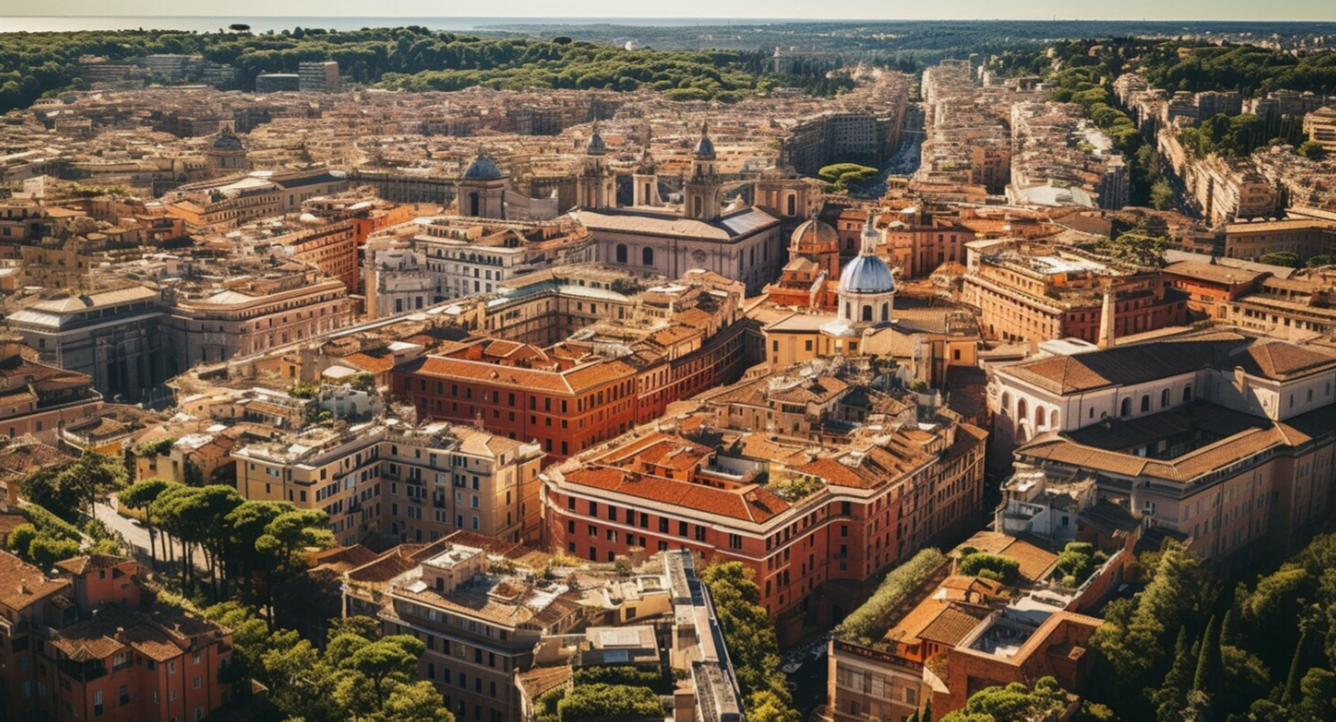
Rome is a city steeped in history, filled with iconic landmarks such as the Colosseum, the Vatican, and the Trevi Fountain. However, beyond these well-known sites lies a world of hidden gems and local secrets that offer a deeper and more authentic experience of the Eternal City. While millions of tourists flock to Rome’s famous attractions, those who venture off the beaten path will discover charming neighborhoods, lesser-known archaeological wonders, unique museums, and quiet spots where the true spirit of the city can be felt. Exploring these hidden treasures allows visitors to experience Rome as the locals do, away from the crowds and into the heart of its culture, history, and daily life. From underground ruins to tranquil gardens, secret churches, and vibrant local markets, Rome’s lesser-known attractions provide an unforgettable journey through its rich and layered past.

Underground Wonders and Hidden Ruins
Beneath the bustling streets of Rome lies a labyrinth of underground wonders that reveal the city’s ancient history in a unique and fascinating way. While most visitors marvel at the ruins of the Roman Forum, few venture beneath San Clemente Basilica, a multi-layered church built over a Roman temple and an even older first-century house. Walking through its underground corridors is like traveling through time, showcasing layers of Rome’s past, from early Christian places of worship to remnants of ancient Roman life. Another intriguing underground site is the Domus Aurea, Emperor Nero’s lavish palace, which was buried beneath newer buildings for centuries. Visiting this hidden gem offers a glimpse into the extravagant lifestyle of one of Rome’s most controversial emperors. The city’s catacombs, such as the Catacombs of Priscilla and Domitilla, provide another fascinating look into early Christian burial practices, away from the more crowded tourist routes.

Secret Churches and Artistic Treasures
Rome is home to some of the most spectacular churches in the world, but beyond St. Peter’s Basilica and the Pantheon, there are many lesser-known places of worship that contain extraordinary art and history. One such church is Santa Maria della Vittoria, which houses Bernini’s masterpiece, the Ecstasy of Saint Teresa, a Baroque sculpture that captures an intense moment of spiritual rapture. Another hidden gem is San Luigi dei Francesi, known for its stunning Caravaggio paintings that depict scenes from the life of St. Matthew. The church of Santo Stefano Rotondo, an unusual circular church with haunting frescoes, is a quiet sanctuary that many visitors overlook. Meanwhile, the Basilica of San Paolo Fuori le Mura, one of Rome’s four major basilicas, remains relatively uncrowded despite its stunning mosaics and immense historical significance. Each of these churches offers a peaceful retreat and a chance to admire world-class art in an intimate setting.

Neighborhoods Full of Character and Local Life
Beyond the grandeur of the historic center, Rome’s neighborhoods are where the city’s true character shines. The district of Testaccio, often overshadowed by trendier areas, is a paradise for food lovers and an authentic glimpse into Roman daily life. This working-class neighborhood is home to the lively Testaccio Market, where locals shop for fresh produce, cheese, and cured meats. Nearby, Monte Testaccio, an ancient mound made entirely of broken amphorae, tells the story of Rome’s trade history. Trastevere, known for its narrow streets and lively piazzas, is a favorite among locals for its traditional trattorias and bohemian atmosphere. However, beyond its main squares, hidden courtyards and quiet corners offer a respite from the crowds. Further afield, the Coppedè district is an architectural curiosity with whimsical buildings that blend Art Nouveau, medieval, and classical influences, making it one of the most unique areas in Rome.

Green Spaces and Hidden Gardens
Rome is not just a city of stone and ruins; it also boasts beautiful green spaces that provide a peaceful escape from the urban hustle. The Orto Botanico, Rome’s botanical garden in Trastevere, is a serene oasis filled with exotic plants, waterfalls, and a Japanese garden. Villa Doria Pamphili, the largest landscaped park in Rome, offers a vast expanse of greenery where locals go for walks, picnics, and outdoor exercise. The Orange Garden (Giardino degli Aranci) on the Aventine Hill is a lesser-known spot that offers one of the most breathtaking panoramic views of the city, especially at sunset. Nearby, the Aventine Keyhole provides a unique perspective of St. Peter’s Basilica, perfectly framed through a small peephole in the door of the Priory of the Knights of Malta. For a hidden garden experience, the Corsini Garden, located behind Palazzo Corsini, is a tranquil retreat often overlooked by visitors.

Unusual Museums and Alternative Attractions
While Rome is famous for the Vatican Museums and the Capitoline Museums, there are many lesser-known museums that offer fascinating collections and unique experiences. The Centrale Montemartini Museum is one such hidden treasure, where ancient Roman statues are displayed in a former power plant, creating a striking contrast between classical art and industrial architecture. The Keats-Shelley House, located near the Spanish Steps, is a must-visit for literature lovers, as it preserves the rooms where poet John Keats spent his final days. Another quirky attraction is the Museum of the Souls in Purgatory, a small collection of mysterious relics that supposedly bear the marks of spirits trying to communicate from the afterlife. Rome also has a collection of historic libraries, such as the Biblioteca Angelica, where visitors can step into a world of centuries-old manuscripts and grand reading halls. These lesser-known sites provide unique perspectives on Rome’s artistic, literary, and historical heritage.

Culinary Secrets and Authentic Dining Experiences
Rome is a city where food is an essential part of life, but finding authentic dining experiences beyond the tourist traps requires a bit of local knowledge. Some of the best traditional Roman dishes, such as carbonara, amatriciana, and cacio e pepe, can be found in family-run trattorias hidden in quieter neighborhoods. In Testaccio, Da Felice is a local favorite known for its exceptional cacio e pepe, while in Trastevere, Spirito di Vino offers historic recipes in a charming setting. The Jewish Ghetto, one of the oldest neighborhoods in Rome, is home to unique culinary traditions, including the famous fried artichokes known as carciofi alla giudia. The city also has a thriving street food scene, with supplì (fried rice balls), porchetta sandwiches, and maritozzo (a sweet cream-filled bun) being must-try items. For those interested in Rome’s wine culture, small enotecas tucked away in side streets offer excellent selections of local Lazio wines, providing an intimate and authentic tasting experience.

Залишити відповідь