
World War II left an indelible mark on Europe, shaping its cities, landscapes, and collective memory. From the beaches of Normandy to the streets of Berlin, many locations bear the scars and stories of the conflict. Exploring these cities offers a deep and meaningful way to understand the scale of the war, the experiences of those who lived through it, and the efforts to preserve history. Today, many sites across Europe serve as reminders of the war’s devastation and as tributes to resilience and peace. Whether through preserved battlefields, memorials, or museums, tracing WWII history through Europe’s cities provides a powerful and educational journey.
Berlin: The Heart of the Third Reich’s Rise and Fall
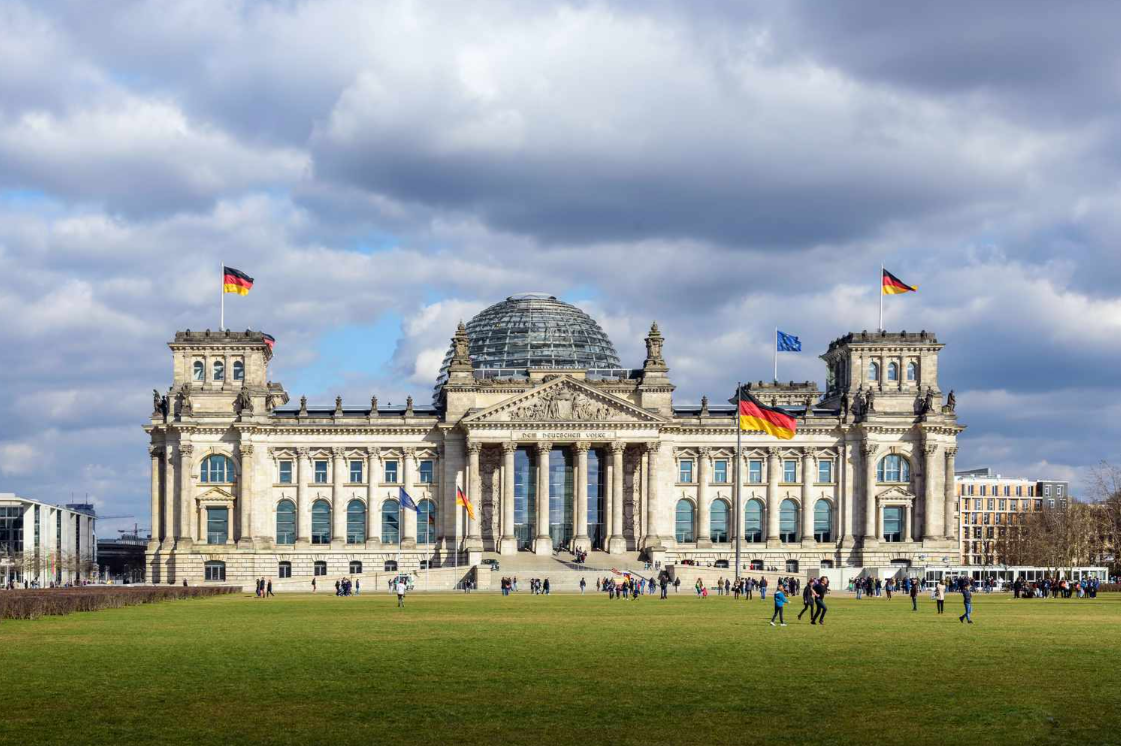
Berlin played a central role in WWII, serving as the capital of Nazi Germany and later as a symbol of the war’s end. Many sites in the city provide insights into this dark chapter of history. The Reichstag building, which was set ablaze in 1933, became a focal point for Hitler’s consolidation of power. Today, its glass dome stands as a symbol of transparency and democracy in Germany. The Topography of Terror museum, located on the site of the former Gestapo headquarters, documents the atrocities committed by the Nazi regime through detailed exhibits.
Another significant site is the Memorial to the Murdered Jews of Europe, a vast field of concrete slabs designed to evoke a sense of loss and disorientation. The nearby Führerbunker, where Hitler spent his final days, has been left unmarked, with only a small plaque indicating its location. Berlin also hosts the German-Russian Museum in Karlshorst, where the unconditional surrender of Nazi Germany was signed in May 1945, marking the official end of the war in Europe. These sites together paint a comprehensive picture of the war’s impact on Berlin and Germany as a whole.

London: The Resilience of a City Under Siege
London’s experience during WWII was defined by the Blitz, a period of intense bombing by the German Luftwaffe. The city’s resilience in the face of destruction is commemorated through several important historical sites. The Churchill War Rooms, an underground bunker used by Winston Churchill and his war cabinet, remain preserved as they were during the war, offering an intimate glimpse into the decision-making processes that shaped the conflict.
St. Paul’s Cathedral, a symbol of hope during the Blitz, miraculously survived despite the devastation around it. The Imperial War Museum in London houses an extensive collection of wartime artifacts, including Spitfire aircraft and the harrowing stories of civilians and soldiers alike. London’s historic docks and the HMS Belfast, a surviving Royal Navy warship, further illustrate the city’s crucial role in the war effort. Walking through these sites, visitors can better understand the determination and endurance of Londoners during one of the darkest periods in modern history.

Paris: Occupation and Liberation
Paris was under Nazi occupation from 1940 to 1944, and the city’s history during this period is preserved in its numerous museums and memorials. The Musée de l’Armée at Les Invalides houses extensive exhibits on WWII, including the history of the French Resistance. The Mémorial de la Shoah serves as a powerful tribute to the Jewish victims of the Holocaust in France, containing a Wall of Names inscribed with those who perished.
One of the most moving sites in Paris is the Place de la Concorde, where Nazi flags once flew, now a symbol of the city’s liberation. The Liberation of Paris in August 1944 is commemorated in the Musée de la Libération, where visitors can explore underground tunnels used by resistance fighters. Many locations throughout the city, from discreet plaques marking execution sites to large-scale memorials, remind visitors of the resilience of Parisians and the efforts of the Allied forces to free the city.

Warsaw: A City Rebuilt from the Ashes
Few cities suffered as much devastation as Warsaw during WWII. Following the Warsaw Uprising in 1944, Nazi forces systematically destroyed much of the city, reducing it to rubble. Today, Warsaw stands as a testament to resilience, having painstakingly rebuilt its historic Old Town using original architectural plans and photographs. The Warsaw Uprising Museum provides an in-depth look at the bravery of the Polish resistance and the tragic consequences of their battle against the German occupiers.
The POLIN Museum of the History of Polish Jews documents the Jewish community’s long history in Poland, culminating in the Holocaust and the destruction of the Warsaw Ghetto. The Umschlagplatz Memorial marks the site from which thousands of Jews were deported to concentration camps. Warsaw’s post-war reconstruction and commitment to preserving its wartime history make it a powerful destination for those seeking to understand the war’s human cost.

Normandy: The Turning Point of the War
Normandy is synonymous with D-Day, the Allied invasion of Nazi-occupied France on June 6, 1944. The region’s beaches, including Omaha, Utah, Gold, Juno, and Sword, remain some of the most poignant WWII sites in Europe. The Normandy American Cemetery, overlooking Omaha Beach, serves as a solemn tribute to the thousands of soldiers who lost their lives in the battle.
The town of Caen is home to the Mémorial de Caen, one of the most comprehensive WWII museums in France. The Pegasus Bridge Museum commemorates one of the first engagements of D-Day, highlighting the bravery of British paratroopers. Visiting Normandy provides an immersive experience of the war’s turning point and the immense sacrifices made by Allied forces to liberate Europe.

Stalingrad (Volgograd): The Eastern Front’s Defining Battle
Stalingrad, now known as Volgograd, was the site of one of the most brutal battles in WWII. The Battle of Stalingrad, fought between Nazi Germany and the Soviet Union from 1942 to 1943, was a turning point on the Eastern Front. The Mamayev Kurgan memorial complex, featuring the massive “Motherland Calls” statue, stands as a tribute to the Soviet soldiers who defended the city.
The Panorama Museum provides a detailed account of the battle, with artifacts, personal testimonies, and large-scale dioramas depicting the fierce urban combat. Stalingrad’s legacy remains deeply ingrained in Russian history, symbolizing both immense suffering and ultimate victory. The city’s wartime history offers a profound perspective on the Eastern Front’s role in shaping the war’s outcome.


Залишити відповідь