
Europe is home to some of the world’s most extraordinary cities, each with a rich history, cultural significance, and breathtaking architecture. Many of these cities have been recognized by UNESCO as World Heritage Sites, preserving their unique heritage for future generations. Whether you’re fascinated by medieval towns, ancient ruins, or grand palaces, exploring these UNESCO-listed cities provides an unparalleled journey through time. From the artistic treasures of Florence to the Gothic charm of Bruges, each destination offers a glimpse into Europe’s diverse and fascinating past. These cities have been meticulously preserved and stand as testaments to the artistic, architectural, and cultural achievements that have shaped the continent.
Florence: The Birthplace of the Renaissance
Florence is one of the most iconic UNESCO World Heritage Cities, recognized for its outstanding contribution to art, architecture, and human thought during the Renaissance. Walking through the historic center of Florence is like stepping into a living museum. The city is home to masterpieces by Michelangelo, Leonardo da Vinci, and Botticelli, housed in the Uffizi Gallery and the Accademia Gallery. The Florence Cathedral, with its magnificent dome designed by Brunelleschi, dominates the skyline. The Ponte Vecchio, a medieval bridge lined with shops, adds to the city’s historic charm. Florence’s legacy as the birthplace of the Renaissance makes it a must-visit destination for art and history lovers alike.

Prague: A Fairytale City Frozen in Time
Prague’s historic center is a UNESCO World Heritage Site that enchants visitors with its medieval architecture, cobblestone streets, and Gothic cathedrals. The Prague Castle complex, which includes St. Vitus Cathedral and the historic Old Royal Palace, is one of the most significant landmarks in Central Europe. The Charles Bridge, adorned with statues of saints, offers stunning views of the Vltava River and the city’s skyline. The Astronomical Clock in the Old Town Square is a masterpiece of medieval engineering, drawing crowds with its hourly show. Prague’s well-preserved historic core makes it one of Europe’s most atmospheric UNESCO cities, where history is felt in every corner.

Toledo: Spain’s City of Three Cultures
Toledo, located in central Spain, is a UNESCO World Heritage City that showcases the cultural influences of Christians, Muslims, and Jews over centuries. The city’s winding streets lead to stunning landmarks such as the Toledo Cathedral, one of Spain’s most impressive Gothic structures. The Alcázar of Toledo, a fortress that has played a significant role in Spain’s history, offers panoramic views of the city. The Synagogue of Santa María la Blanca and the Mosque of Cristo de la Luz reflect Toledo’s diverse religious heritage. As the former capital of Spain, Toledo preserves a unique blend of medieval, Renaissance, and Moorish influences, making it a fascinating destination for history enthusiasts.

Bruges: A Perfectly Preserved Medieval Town
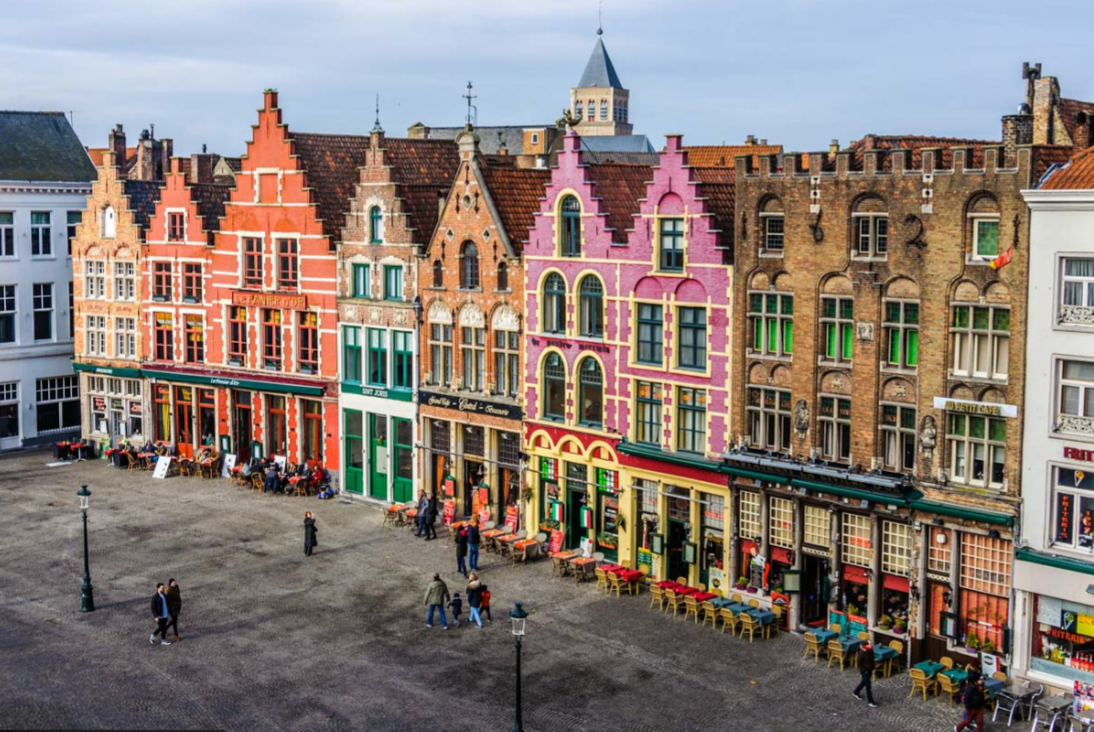
Bruges, often called the “Venice of the North,” is a UNESCO-listed city that has preserved its medieval charm. Its picturesque canals, historic market squares, and stunning Gothic architecture make it one of the most beautiful cities in Europe. The Belfry of Bruges, a medieval bell tower, provides breathtaking views of the city. The Basilica of the Holy Blood houses a relic said to contain the blood of Christ, adding a spiritual dimension to the city’s history. The Markt square, lined with colorful guild houses, remains the heart of Bruges’ social and commercial life. With its fairy-tale atmosphere and rich history, Bruges is a must-visit destination for those who love medieval heritage.

Vienna: An Imperial City of Elegance and Culture
Vienna’s historic center is a UNESCO World Heritage Site that reflects its imperial past and cultural significance. As the former capital of the Habsburg Empire, Vienna boasts grand palaces such as Schönbrunn and the Hofburg, where Empress Maria Theresa and Emperor Franz Joseph once resided. The city is also known for its musical heritage, with composers like Mozart, Beethoven, and Strauss having left their mark. The Vienna State Opera and the Musikverein continue to uphold the city’s reputation as a world-class music hub. St. Stephen’s Cathedral, with its striking Gothic spires, is one of Vienna’s most iconic landmarks. Vienna’s blend of Baroque grandeur and artistic legacy makes it a UNESCO city that offers a refined and cultural experience.

Dubrovnik: The Pearl of the Adriatic
Dubrovnik’s Old Town, enclosed by its impressive medieval walls, is one of the most stunning UNESCO World Heritage Sites in Europe. The city’s well-preserved fortifications, including the Lovrijenac Fortress and Minceta Tower, offer panoramic views of the Adriatic Sea. The Stradun, the city’s main thoroughfare, is lined with historic buildings, churches, and palaces that reflect Dubrovnik’s past as a powerful maritime republic. The Rector’s Palace, once the seat of government, and the Franciscan Monastery, home to one of the oldest pharmacies in Europe, add to the city’s historical depth. Dubrovnik’s charm and breathtaking coastal setting make it a dream destination for travelers seeking history and natural beauty.

Kraków: Poland’s Cultural and Historical Gem
Kraków’s Old Town is one of the best-preserved medieval city centers in Europe and has been designated a UNESCO World Heritage Site. The Wawel Castle, perched on a hill overlooking the Vistula River, is a symbol of Polish royalty and national pride. The Main Market Square, the largest of its kind in Europe, is surrounded by historic buildings, including St. Mary’s Basilica and the Cloth Hall. The Kazimierz district, once the heart of Jewish life in Kraków, is now a vibrant area filled with cafes and cultural sites. Kraków’s historical significance extends beyond its medieval past, as it serves as a gateway to Auschwitz, one of the most important memorials to World War II. The city’s deep cultural and historical roots make it a powerful and enriching UNESCO destination.

Edinburgh: A City of Literature and Legends
Edinburgh’s Old and New Towns have been recognized as a UNESCO World Heritage Site for their architectural and cultural significance. The medieval Old Town, with its winding alleys and historic buildings, is home to Edinburgh Castle, a fortress that has stood for over a thousand years. The Royal Mile connects the castle to the Palace of Holyroodhouse, the official residence of the British monarch in Scotland. The Georgian New Town, with its neoclassical architecture, represents the city’s expansion during the Enlightenment era. Edinburgh’s literary heritage is celebrated through its connection to authors such as Sir Walter Scott, Robert Louis Stevenson, and J.K. Rowling. The city’s unique blend of history, architecture, and literature makes it an essential UNESCO destination.


Залишити відповідь